By Carla Dennien

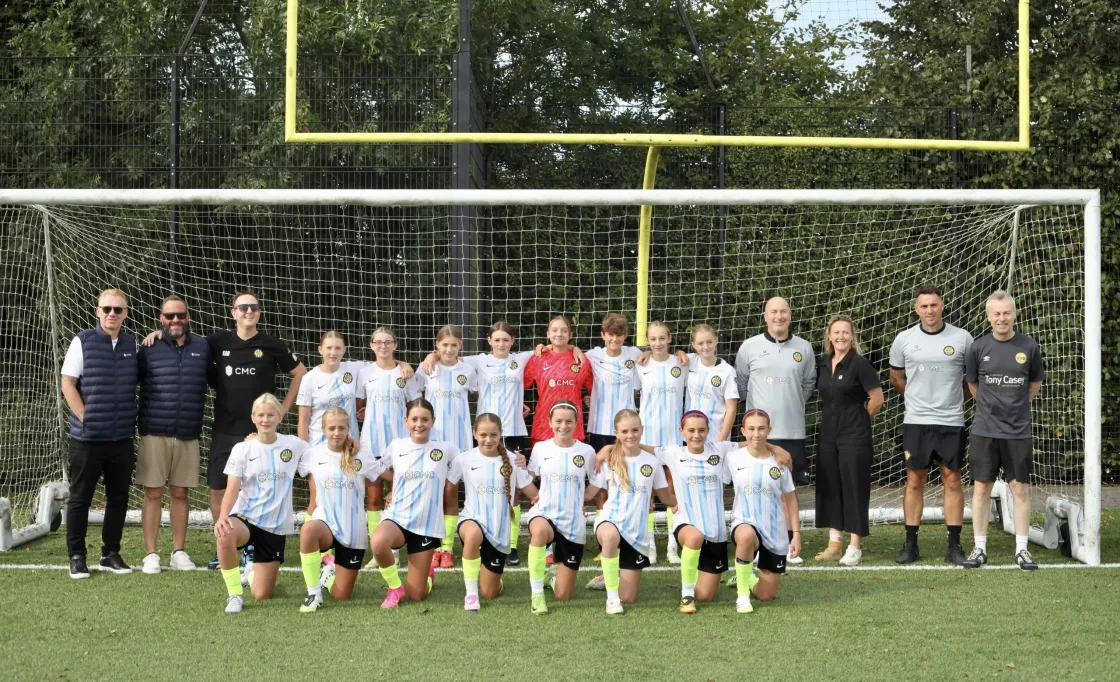
VYD is proud to support young female athletes through its sponsorship of Carla Dennien’s wellbeing work with the Junior Premier League girls’ teams at Montpelier Villa Galaxy.
Carla’s second blog explores why menstrual health, nutrition and wellbeing education are becoming essential components of girls’ sport, and how greater understanding in these areas can help players stay healthy, confident and engaged. You can read Carla’s first blog here.
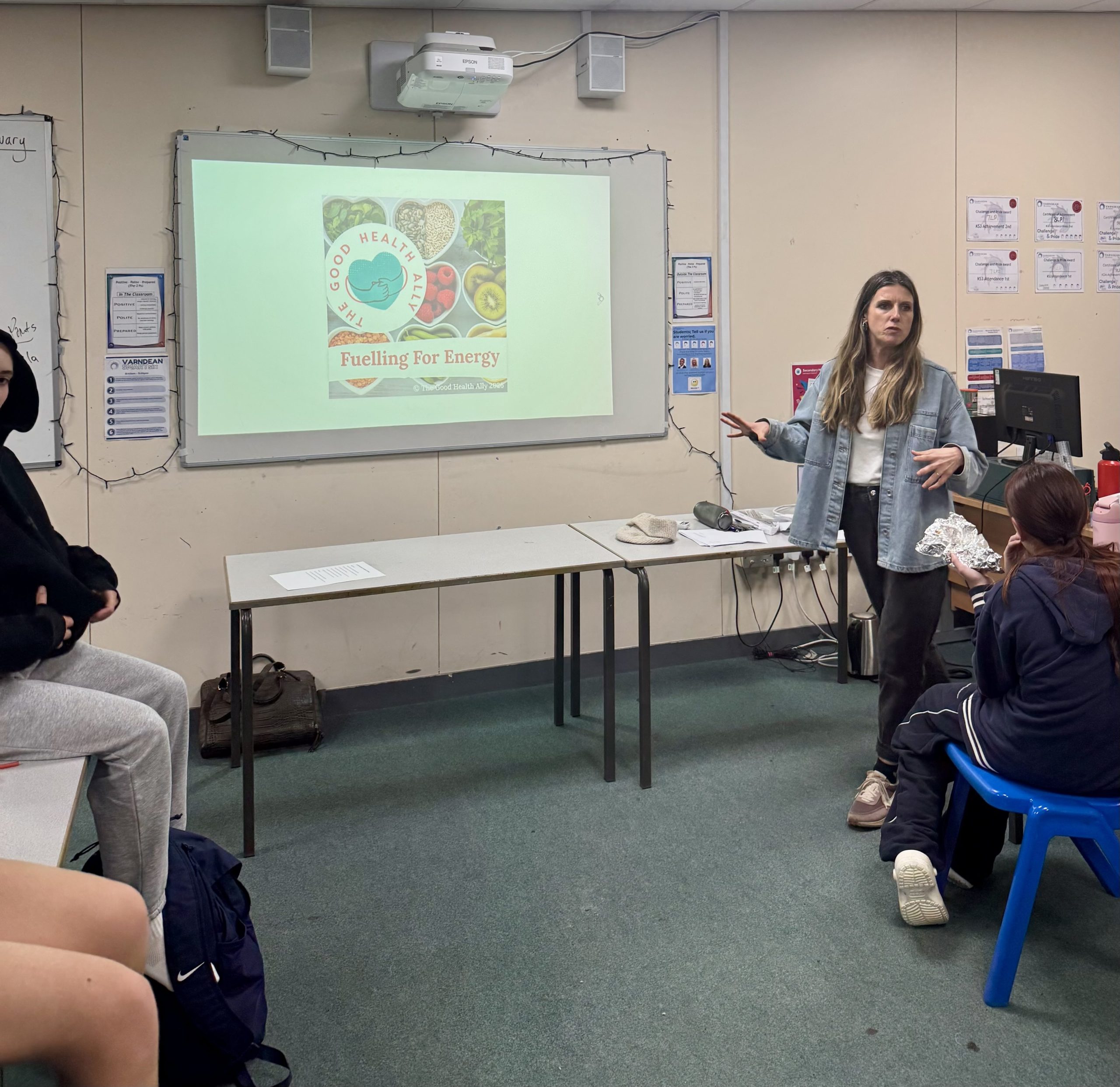
As part of a programme of wellbeing workshops I’m delivering to the Junior Premier League girls’ teams at Montpelier Villa Galaxy (MVG), supported by VYD, there is a growing focus on helping young female athletes better understand their bodies and the factors that influence both performance and overall health. These sessions aim not only to raise awareness around menstrual health, nutrition and recovery, but also to create an environment where conversations about periods and wellbeing feel normal rather than uncomfortable.
This context reflects a wider shift happening across girls’ sport. While participation in football and other sports has increased significantly in recent years, many girls still disengage during puberty. Body changes, self-consciousness, stigma around periods and a lack of appropriate support all play a role. For clubs and coaches, this represents both a wellbeing concern and a loss of potential.
At the same time, our understanding of female physiology in sport is evolving. Historically, training models and sports science research have been based largely on male participants. Only a small proportion of exercise physiology research has focused specifically on women, meaning female athletes have often been expected to adapt to systems that do not fully reflect their biological realities. This is beginning to change, and with it comes an opportunity to better support girls in sport from grassroots through to elite levels.
One key area is menstrual health. The natural hormonal fluctuations that occur across the menstrual cycle influence far more than reproductive health. Variations in oestrogen and progesterone levels can affect energy production, mood, motivation, focus and even joint stability. For young athletes who are still growing and developing, these shifts can feel confusing or unpredictable if they are not understood. When awareness is low, changes in performance, confidence or physical comfort may be misinterpreted as a lack of ability or commitment.
“The rise of the women’s game has been incredible to watch, but there’s still an undercurrent that doesn’t get talked about enough – girls dropping out during puberty because of periods, body changes and a lack of support. If better education around menstrual health, nutrition and wellbeing can help even a small number of girls feel more comfortable and stay in sport, then it’s something we’re proud to stand behind at VYD.”
Gary Pleece, Founder VYD
Education can change this. Helping players understand that the menstrual cycle has different phases – each with potential strengths and challenges – supports body literacy. Instead of feeling that their bodies are working against them, athletes can learn to anticipate patterns, adapt where needed and make informed choices around rest, nutrition and training intensity. This does not mean limiting girls; rather, it gives them more tools to work with their physiology.
Nutrition and recovery are equally important parts of the picture. Adolescence is a period of rapid growth, high energy demand and significant hormonal change. At the same time, modern diets are increasingly dominated by ultra-processed foods that are energy dense but low in essential nutrients. For young athletes, insufficient intake of quality nutrients can affect energy levels, recovery from training, injury risk and overall health. Sleep, stress levels and adequate rest also play critical roles in how well the body adapts to training.
The impact of these factors extends beyond the pitch. Regular physical activity is strongly linked to improved mental wellbeing, yet disengagement from sport during adolescence is associated with rising anxiety and low mood. Creating sporting environments that normalise conversations about periods, body changes and wellbeing can help reduce stigma and build confidence. When girls feel supported rather than embarrassed, they are more likely to stay involved.
My work with work with MVG, supported by VYD, represents a positive step towards more informed and supportive environments for female athletes.
Wellbeing education in sport is therefore not just about performance metrics. It is about retention, resilience and long-term health. Sessions that cover menstrual health, nutrition, recovery and self-awareness can help young athletes develop a more compassionate and informed relationship with their bodies. This foundation supports not only their sporting development but also their transition into adulthood.
Organisations such as The Well HQ and Women in Sport have long highlighted the need to address gender inequalities in sport and improve education around puberty and periods. Practical changes can range from providing access to period products at training and matches, to educating coaches about how hormonal fluctuations may influence players’ experiences. At more advanced levels, it may involve adapting training loads, recovery strategies or nutritional approaches across the cycle.
For clubs, this represents a shift in mindset: seeing athlete wellbeing as integral to performance rather than separate from it. Supporting female athletes to understand their physiology, fuel their bodies well and recover effectively helps create a more resilient, confident and capable playing group. It also sends a powerful message that their health is valued.
As awareness grows, menstrual health, nutrition and wellbeing education are becoming essential components of a modern sporting environment. By recognising and responding to the specific needs of female athletes, sport can become a place where more girls not only participate, but thrive.
Read more about my work here contact me at carla@thegoodhealthally.co.uk