
I meet up with Gary at Café Pelicano on Lewes Road – a hip, espresso-fuelled hangout popular with Gen Z students, freelancers, and creatives – where we’re hoping two Gen Xers don’t stick out like sore thumbs. Gary and I go back nearly 30 years, and while our catch-ups usually involve laughing over youthful shenanigans and shared retro passions – like obscure countercultural ’60s British movies, ’70s football mavericks, the charms of Jean Seberg, and the rebellious subcultures of yesteryear – this time, we’re here to talk about VYD, and why it means so much to him.
Why start VYD?
First off, I wonder: with so many personal and professional commitments already, what compelled Gary to take on another big project?
“VYD’s one of those projects that had been bubbling away inside me for a while,” he explains. “After co-founding Montpelier Villa with a few others when I moved to Brighton, I saw how you could build something organically within a community – bringing people together around shared values and culture. That experience taught me a lot.
“But when you look at communities like Whitehawk, where youth football often starts and stops due to lack of infrastructure or vision, I wanted to apply what I’d learned from Villa and try to make a lasting difference. That’s where VYD came in.”

The healing power of football
It soon becomes clear how Gary’s own life experiences have shaped the mission and values of VYD. “Football played a complicated role in my own life”, he says. “It was a refuge from trauma, but it was also where some of that trauma happened. So, for me, VYD is personal. It’s about redressing the balance and showing how powerful football can be for healing and belonging.
“It’s not just about the game – it’s about making football freely accessible, especially in small communities. Football creates space for expression without judgment. In school, you can feel like you’re not enough. On a pitch, anyone can play. It levels things. That’s why everything we offer is free: to remove barriers and offer extraordinary opportunities.”
Building culture, not just teams
The commitment of Gary and his team has already seen VYD grow beyond expectations.
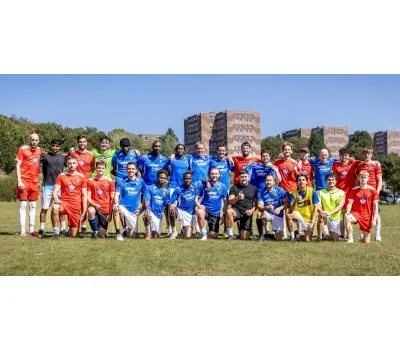
“We now run Crew Club Hawks in partnership with the club in Whitehawk with 80 + young people playing regularly. Thousands of refugees and asylum seekers have participated in our sessions. We’ve built a culture people really believe in.”
And Gary sees clear parallels between his own teenage years and the young people VYD now supports:
“I left school at 15 with one O-level. I was working on a building site by then and had already fallen out of love with education – probably due to undiagnosed ADHD and other challenges. Football was where I could express myself.
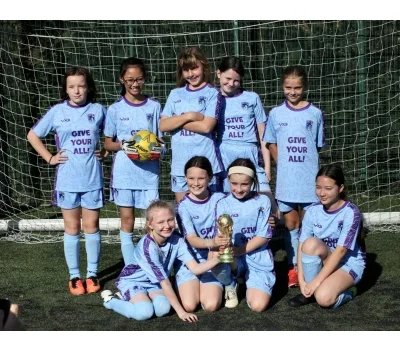
“So much of VYD reflects that. With our Zonal project, we work in schools with young people who lack confidence, offering different ways to learn – through football, design, identity, and fashion. They’ve designed their own kits and badges, and it all counts. It’s all learning.”

Filling the gaps
As larger local organisations shift focus, Gary sees opportunity – and responsibility.
“The Brighton & Hove Albion Foundation have changed the way they work from the old Albion in the Community days. They still do great work, particularly around disability, but we’ve stepped into the gap for more socially-driven, grassroots and entrepreneurial impact.
“We’ve also worked alongside Russell Martin Foundation, and we focus on building local football culture, refugee integration through football and language, and creating welcoming spaces. We’re not just running sessions – we’re building communities.”
Transformative moments
When I ask Gary to share a moment when he knew that VYD was making a real difference, a powerful example quickly comes to mind:
“A project that stands out for me is Hawks Heroes, inspired by the doco series ‘Harry’s Heroes’. We worked with the Crew Club and men from Whitehawk in their 30s and 40s who used to play football but dropped out due to life circumstances. Some were dealing with addiction or unemployment.
“One man discovered he had cancer during the programme – he hadn’t been to a doctor in years. Three weeks later, he came back to play with his chemo bag still attached. That spirit is what makes it all worth it. Without the programme, he said he would’ve spiralled. That’s the kind of difference we’re making.”
The challenge of sustainability
Despite its impact, VYD faces the same challenge many grassroots initiatives do: funding.
“Funding is the hardest part. We’re a project-based organisation, meaning we get funding for specific things – coaching, meals, equipment – but we struggle with core costs like salaries and rent. Without those, it’s hard to build anything sustainable.
“We’re trying to develop longer-term funding relationships and bring in partners who see the value in what we do – not just as charity but as transformational work.”
Finding the right partners
Gary’s clear-eyed about what VYD needs, but brings a typically creative spin to how partnerships can work.
“The key is the right partnerships. It’s not just about money – it’s about values. We want to work with people who get it, who want to contribute meaningfully and be involved.
“That might be volunteering, helping design kits, team-building workshops, or co-creating community sessions. One thing we do is ask organisations to map their business roles onto football positions – it’s fun, but also really telling. Are you a goalkeeper or a box-to-box midfielder? It opens up creative ways to collaborate. Fred, our Head of Operations is the inspiration for that project”
Keeping it local
Though the VYD model could travel, Gary is certain about where the current focus needs to lie:
“At one point, we talked about creating a kind of social franchise – replicating our model in other areas of deprivation. But honestly, there’s still so much to do right here in Brighton & Hove.
“Brighton Kemptown & Peacehaven ranks 527th our of 543 in England for outcomes for children on Free School Meals. They are 103% more likely to fall through the cracks than their peers nationally. Brighton & Hove is now 6th worst in England for FSM young people who are NEET – not in education, employment or training. 29% of children and young people in Brighton & Hove are doing less than 30 minutes of physical activity per day – there is a rise in physical inequalities when ethnicity, socio-economic background, gender and disability are factored in. These aren’t just stats. This is what inequality looks like in Whitehawk, Moulsecoomb, Bevendean and beyond. There’s serious need. So we’re now also looking to take on underused football facilities, improving community buildings, and turning them into vibrant, multi-sport destinations. Places people want to go, regardless of background. But that’s another story!”
Final word
As we drain the last of our coffees and step out of the hum of Café Pelicano into the Spring sunshine, Gary’s parting words are a shout-out to anyone who believes football can be a tool for connection, creativity, and lasting change:
“We need more infrastructure, more sustainability. The identity and mission are strong – we just need the backing to scale up and reach more people. Whether it’s core funding, project support, or hands-on partnerships, we’re open.
“We’re also looking to build more regional sessions in Sussex – engaging young people with football, fashion, identity, and creativity. Whether you want to volunteer, participate, or partner, there are opportunities for everyone.”
If you’d like to chat about our projects or discuss a partnership or collaboration, get in touch with us here – we’d love to hear from you.